
Deciding where your business data and infrastructure should live has always been a tough call — and there’s no one-size-fits-all answer. On-premises, cloud, and hybrid each have real strengths and trade-offs.
Many IT companies push every business toward the cloud because it generates recurring revenue. But the cloud isn’t automatically the right answer for every organization. The best choice depends on your priorities — control, cost, uptime, and how you want to grow.
On-Premises (In-House) Infrastructure
With on-premises infrastructure, your hardware lives in your building and you have full physical control over it. That control comes with responsibility: you handle the cost, security, electricity, cooling, and maintenance of that hardware, and you typically need in-house IT expertise to manage it. For businesses that have already invested heavily in equipment or that require complete control over their data, this can still make sense.
Pros
- Full control of your environment, no third-party involvement
- Physical access to your data and hardware
- All data stored and backed up in-house
- Not reliant on an internet connection to operate
Cons
- Higher IT staffing requirements
- Ongoing cooling and electrical costs
- Significant upfront and recurring capital costs
- Requires secure, climate-controlled space with redundant power
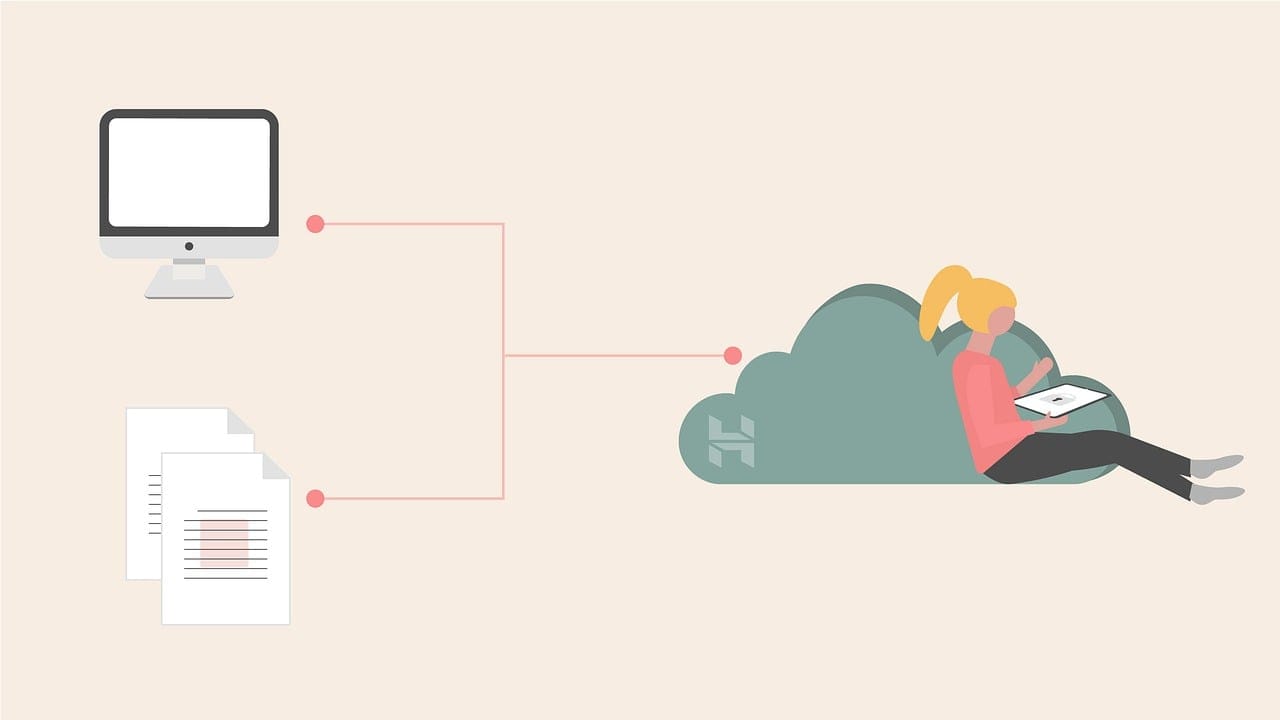
Cloud Infrastructure
Cloud infrastructure has matured enormously and is now extremely stable and secure. You can deploy virtual servers and scale storage, memory, and processing power in minutes — no hardware to buy, install, or power. This frees you from capital costs and lets you focus on growing the business rather than maintaining equipment. It also opens the door to robust backup and disaster recovery options layered on top.
Pros
- No on-site hardware to manage
- Fewer IT staff needed
- Frequent, automated offsite backups
- Scale resources on the fly with a few clicks
- Access your environment and backups from anywhere
Cons
- Requires a stable internet connection
- Storage costs can add up at scale
- Recovery times depend on your connection
- Ongoing monthly service costs
Hybrid: The Best of Both Worlds
Hybrid gives you the best of both approaches. Your core infrastructure stays on-site for control and speed, while backups replicate offsite to the cloud, with a disaster recovery plan on standby. You can extend traditional IT setups with cloud resources as needed — getting local control plus cloud resilience.
Pros
- Not fully reliant on internet
- Built-in offsite disaster recovery
- Accessible from anywhere
- Fewer IT staff and less hardware to manage
- More frequent on-site and offsite restores
Cons
- Carries both capital and recurring monthly costs
So Which Is Right for You?
There’s no universal winner. The right choice depends on your business, your priorities, and the direction you’re heading. A company that values complete control and operates with unreliable internet may lean on-premises; one focused on flexibility and growth may prefer cloud; many land happily in hybrid.
SirTek Group helps businesses with setup, upgrades, migration, and ongoing support across all three models. Our fully managed packages ensure the right fit for your business, with continuity as the top priority — making the transition to modern technology smooth and stress-free.
Not sure where your data should live?
Let’s talk it through. We’ll help you choose the setup that fits your business, budget, and goals.
Talk to SirTek Group