
Cyber threats are no longer just a big-business problem. Small and mid-sized businesses are now prime targets, precisely because attackers assume their defenses are weaker. The good news: you don’t need an enterprise budget to dramatically reduce your risk.
With more teams working remotely and hybrid, the number of ways into your network has multiplied. Cybercriminals know this, and they actively look for businesses that haven’t kept up. The most effective defense isn’t a single expensive product — it’s a layered set of sensible habits and protections working together.
Simple steps make a real difference: train employees to spot phishing emails and suspicious links, keep track of who and what is on your network, and make sure all hardware and software stays patched and up to date. Standardizing these best practices is a strong starting point for any business.
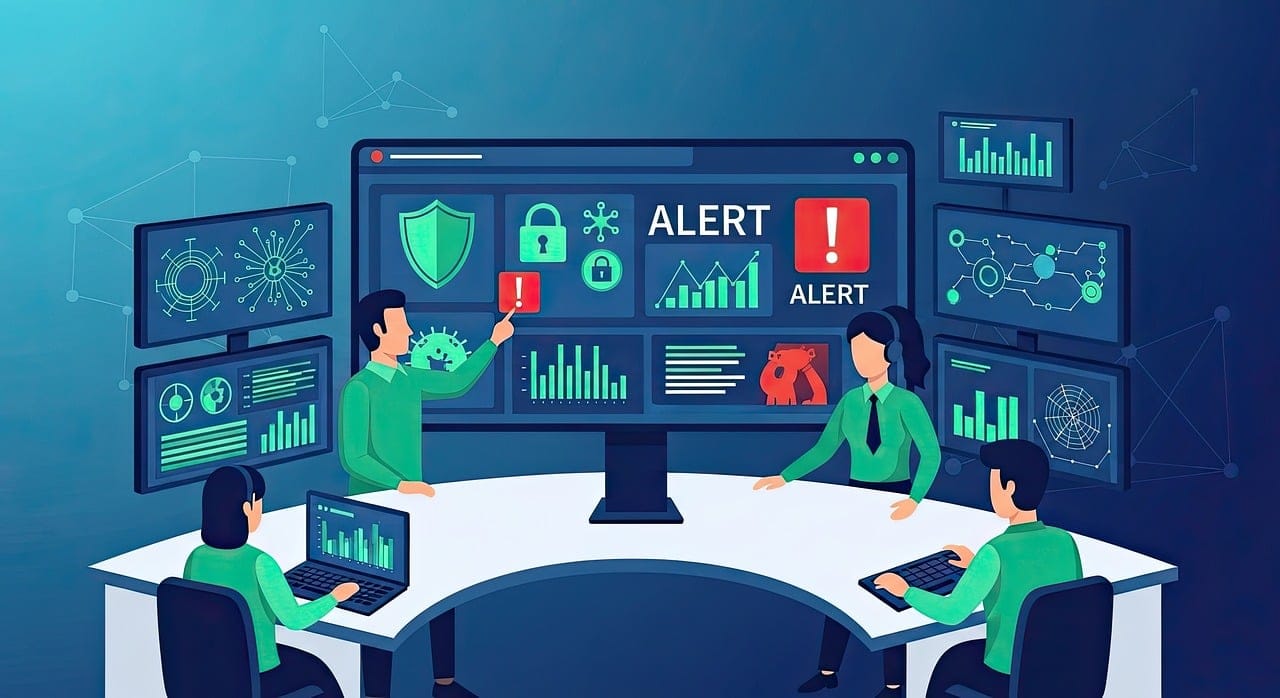
You might assume real security requires a big spend or a dedicated team — but doing what you can with what you have is where you should focus first. Here’s where to start.
10 Practical Ways to Protect Your Business
- Be ready. Have an action plan in case something happens — back up your data to the cloud, keep a second offsite copy, and maintain a disaster recovery plan.
- Be patched. Keep every system updated with the latest patches from your software and hardware vendors. Unpatched systems are one of the most common ways attackers get in.
- Be secure. Make sure your firewall is properly configured and that endpoint protection on servers and computers is active and current.
- Be protected. Change default logins on all network devices and reset passwords away from factory defaults — a step that’s shockingly often skipped.
- Be strong. Use strong, unique passwords, rotate them regularly, and enable multi-factor authentication (MFA) everywhere you can. MFA alone blocks the vast majority of account-takeover attempts.
- Be trained. Your team is your first line of defense. Regular awareness training helps everyone recognize and react correctly to threats.
- Be encrypted. Ensure backups are sent offsite and encrypted, so even if data is intercepted, it can’t be read.
- Be mobile ready. Secure every mobile device that touches business apps, email, or data — phones and laptops are easy targets when unmanaged.
- Be filtered. Web and email filtering stops the majority of common threats before they ever reach your inbox or browser.
- Be limited. Restrict who can access what. Most users only need read access, not full administrative rights — limiting access limits damage.
Security is ongoing, not one-and-done
Following these steps will significantly strengthen your business — not just today, but over the long term. Threats evolve constantly, so the goal is a security posture that’s reviewed and improved regularly, not set once and forgotten.
Not sure where your business stands?
Take our free IT risk assessment and find out where you’re most exposed — and what to prioritize first.
Get a Free IT Assessment